Product guide
Bulk Hash Paki
Bulk Hash Paki explained through format, label, batch, community language and current Canadian context.
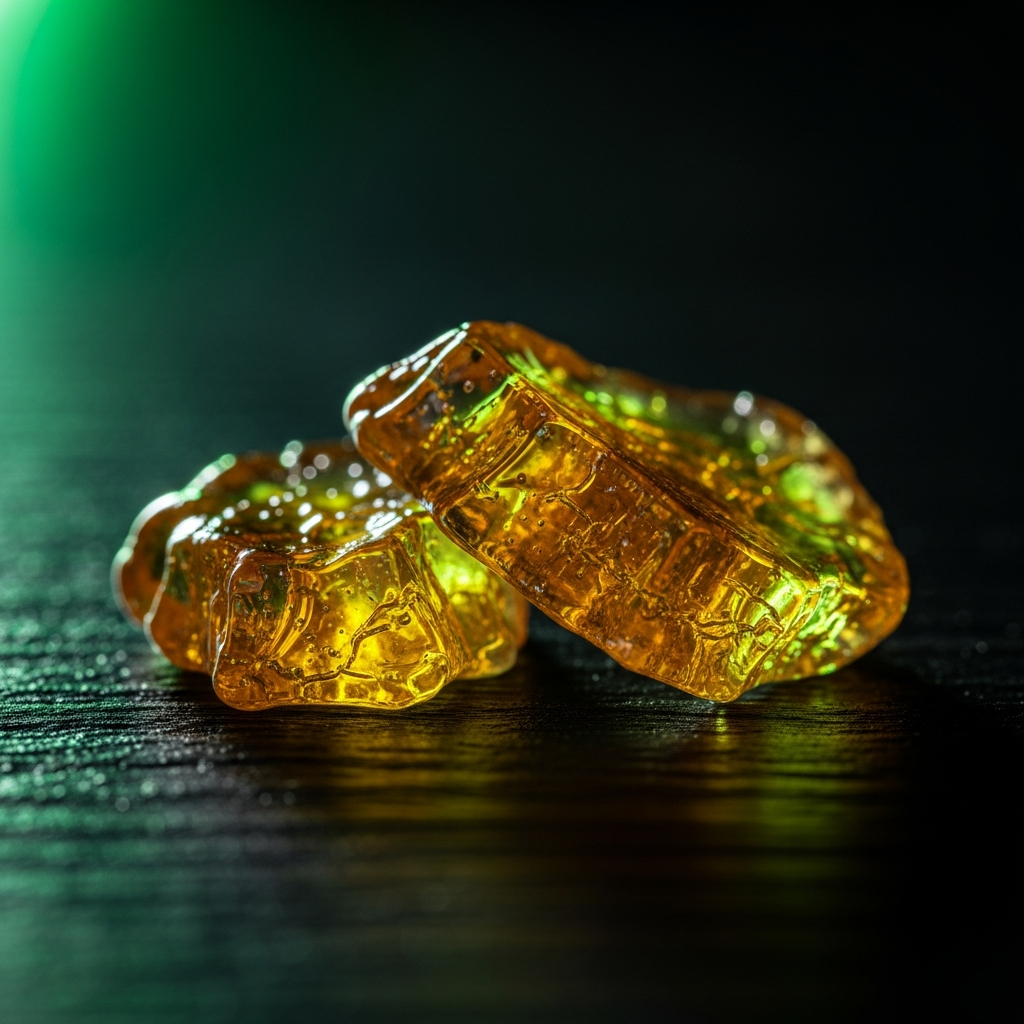 BBBhash
Name breakdown
What “Bulk Hash Paki” actually tells you
Bulk Hash Paki reads as a hash name built around a named format. That tells us what questions to ask, but it does not prove the item is currently available, legally sourced, accurately dosed or made to one fixed recipe. The remaining words - “Paki” - may be a flavour, cultivar, brand or edition cue; they do not establish formulation or potency. Because this is framed as a bulk or multi-unit item, consistency across units matters as much as the nominal discount.
Treat every word in the name as a clue to verify. The current label should reconcile the format, cannabinoid amounts, unit count, ingredients and source.
Quantity and value
Compare the unit, not the headline
The name points to a bulk quantity. Bulk value only exists when the units are consistent: compare the delivered net weight, price per gram or per device, cannabinoid information, batch age, and the share of the order you can realistically store well.
Community discussions make the same point in plainer language: a cheap ounce is not a bargain when the flower is dry, muted or mostly shake; a low-cost cart is poor value if it clogs with a quarter of the oil left; and a mixed pack is only useful when every unit is traceable to a current batch.
Community language, decoded
The details hiding behind review slang
Extract discussions become useful when reviewers name the actual format. Rosin usually signals a solventless pressure-and-heat process; live resin describes an extract made from fresh-frozen material; shatter, budder and sauce mainly describe consistency; diamonds usually refers to crystalline cannabinoids, often paired with terpene-rich sauce. “Concentrate” alone is too broad.
Readers also compare aroma, flavour, texture at room temperature, residue, harshness, storage, and whether the received jar resembles the advertised batch. A sulphur or chemical off-note, broken seal or unexplained texture change is a stop-and-verify signal, not something to dab through.
Format guide
Understand hash before comparing brands
The most important distinction is between process, input and texture. Rosin is not resin; live resin is not automatically a cartridge; “diamonds” does not say whether sauce is included; and RSO is a legacy name, not a standardized medical treatment. Ask for the exact class and intended route of use.
For inhaled extracts, compare total THC/CBD, ingredients, lot, package integrity and source. For ingestible oils or capsules, compare amount per activation or unit as well as the total container. Never assume two products with the same strain name are interchangeable across flower, resin, distillate and edible formats.
Condition checks
- Seal intact, container appropriate and no unexplained leakage
- Texture and colour plausible for the named format and storage conditions
- No burnt, sulphur, solvent-like or otherwise alarming off-note
- Current batch information rather than a generic stock photograph
Current comparison
How to research hash
A useful comparison keeps product facts, retailer claims and community experience separate. CannaGuide can help locate current product and store records; the active package and authorized seller remain the final source for regulated details.
| Layer | What to verify |
|---|---|
| Identity | Exact hash, producer or brand, and current product name |
| Label | Total THC/CBD, amount per unit where relevant, ingredients and warnings |
| Batch | Lot or batch, package date, seal, storage and current photographs |
| Seller | Current status, authorized source where applicable, fulfilment and support evidence |
| Community | Recent, source-linked reports about the same batch or hardware - not just the same name |
| Value | Delivered price per usable gram or unit, including consistency and substitution risk |
Use and storage
The unglamorous checks matter most
Start low and go slowly, especially with a new product or ingestion route. Do not drive or operate machinery while impaired. Keep cannabis in its original child-resistant packaging, locked and out of sight and reach of children and pets; keep edible cannabis separate from ordinary food.
Choose a legal, current source. A legal Canadian product provides standardized labelling and a regulated chain of production. A copied candy brand, huge THC number, missing excise stamp, broken seal or seller that cannot be independently verified is a reason to stop.
Sources and further reading
- Choose legal cannabis (Health Canada)
- Canada's Lower-Risk Cannabis Use Guidelines (Health Canada)
- Safe storage of cannabis (Health Canada)
Research method
Keep “Bulk Hash Paki” tied to evidence
Record the exact hash, ingredients, cannabinoid label, lot, package condition and seller. Without those anchors, a current-looking page can repeat a claim that belongs to a different product, different batch or different business.
Use community experience to find recurring questions and failure modes, then return to the current label and source for facts. Dates matter: freshness, hardware, formulation, support performance, laws and store status can all change while the name stays the same.
A clean research trail
- Save the current product name, URL, seller and date checked.
- Capture the complete label or primary source rather than a cropped claim.
- Normalize units before comparing price, potency or quantity.
- Match reviews to format, lot and date; note tolerance and method when effects are discussed.
- Write down contradictions and unknowns instead of resolving them with marketing language.
For Bulk Hash Paki, compare at least two current records and prefer the one that exposes more verifiable detail, not the one that repeats the strongest adjective. When sources disagree, keep both dates and claims visible until a label, regulator or current seller record resolves the difference.
That process is deliberately slower than copying a product blurb. It is also what makes the page useful after prices, inventory and search rankings move.
Related reading
Go deeper on the same format.
Current evidence
Continue the research on CannaGuide.
Compare active store records, product listings, deals and source-linked community reports.